

LED Light Solutions in Australia, Melbourne
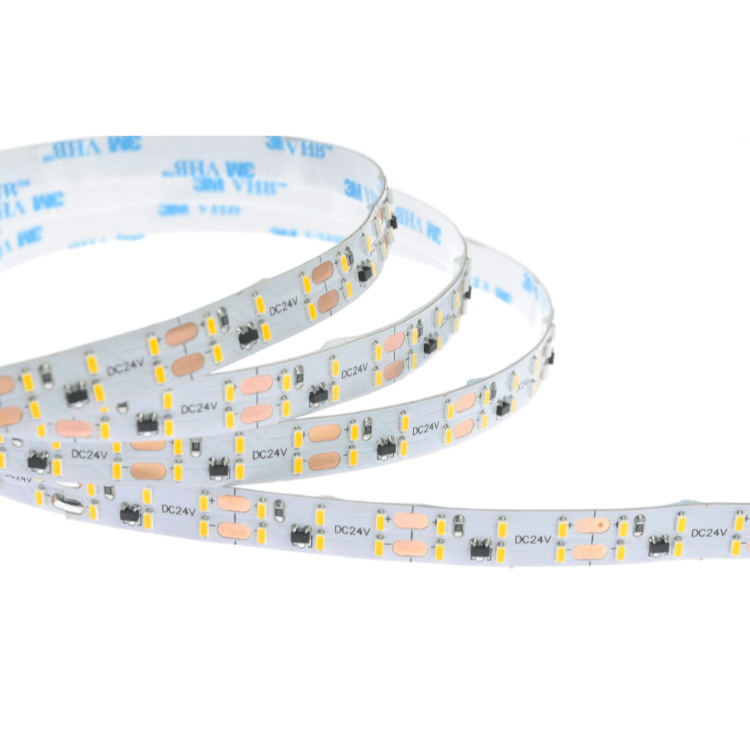
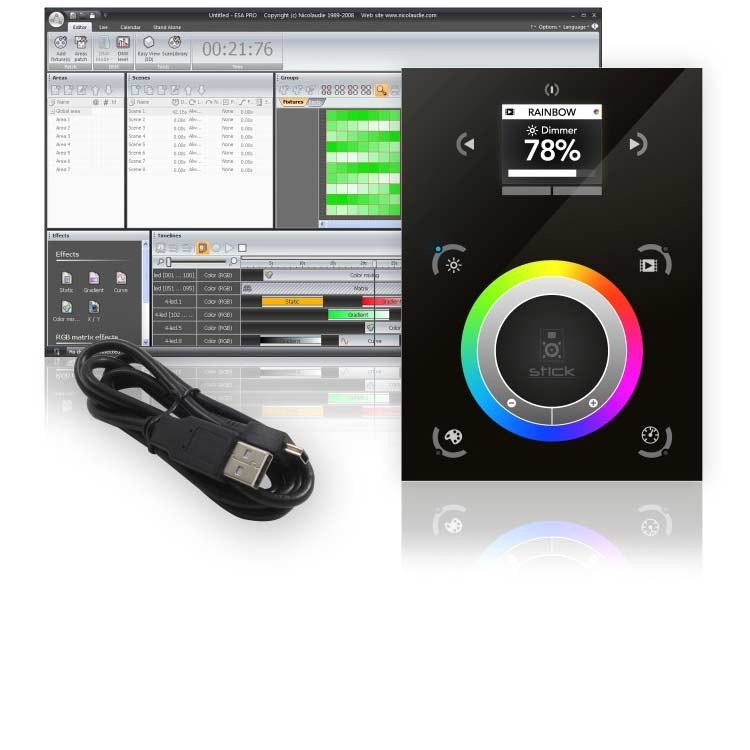
World Of Thought offers end-to-end solutions for LED lights in Australia starting right from the initial consultation stage to technical support. We specialise in providing high-quality and innovative LED products including LED Control Gear, LED Drivers, LED Modules, LED Profiles and much more.
…
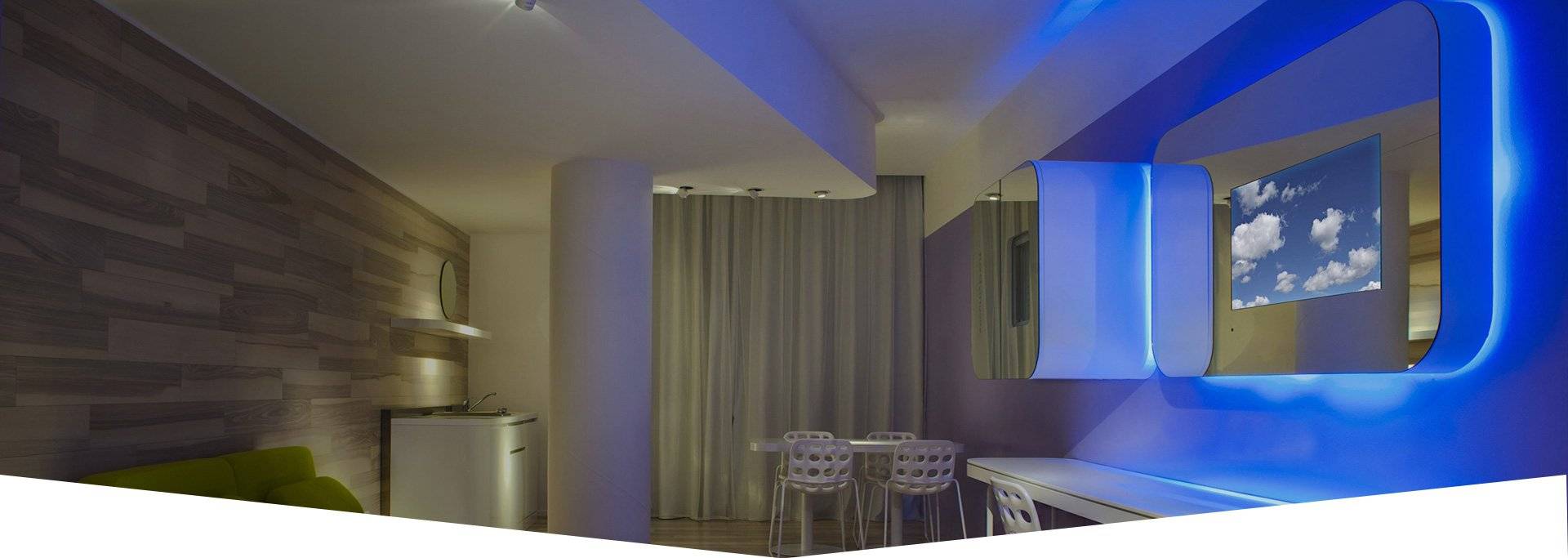
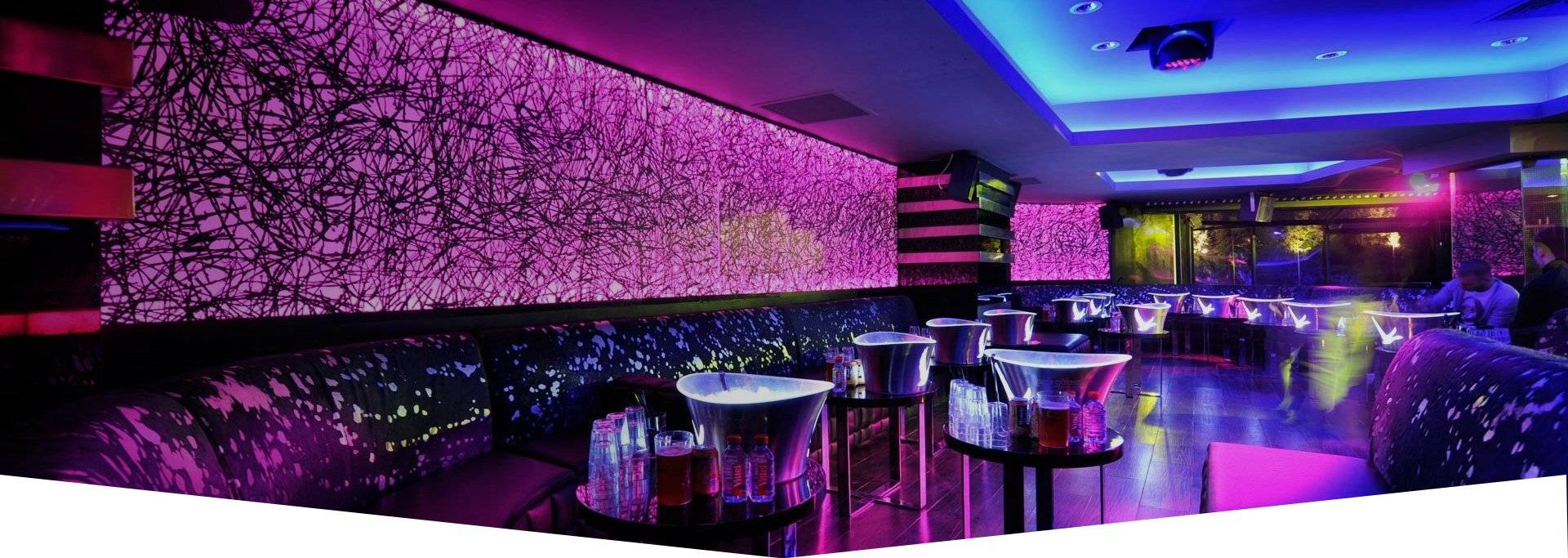
We offer a wide range of LED lights in Melbourne for architectural or commercial applications. We take time to assess our customer’s needs and deliver a tailored solution to meet their needs and requirements. If you want to install it in your workspace, then choose from our LED light products in Melbourne. Whatever you may need, we can help you by supplying compatible LED lighting products in Melbourne to suit your requirements.We are proud to be one of the leading suppliers of LED lights across Australia, we design tailored lighting solutions to accommodate various types of installations. The LED lights are engineered to work in adverse conditions. If you’re planning to upgrade your space, then our LED lights in Australia provides a quick and effective solution to transform your interiors. You can create a fully customised aesthetic setting by installing our energy-efficient and easy to maintain LED lights.
What are the Benefits of LED Lights Australia?
1. Longer Lifespan
LED lights have a much longer lifespan as compared to traditional lights. This significantly reduces the cost of maintenance and replacing parts.
2. Energy-Efficiency
LED products consume a very low amount of power, this makes them more energy-efficient and can help you save up on your monthly energy bills.
3. Improved Safety
LED lights are much safer to operate as they run on low voltage and have no heat emission.
4. Compact Design
LED light products in Melbourne are lightweight and compact. This is the reason why they are perfectly suitable for a wide range of lighting applications.
Searching for LED light in Melbourne? Get in touch with us today.
5. Great Flexibility
LEDs are highly versatile and flexible in terms of design and installation. Whether you install an individual LED light or a bunch of LEDs, they will deliver optimum performance.
6. Low Voltage Operation
LEDs can run using a low-voltage system. They generate up to 12 volts which makes them completely safe to use.
7. Environmentally Safe
LEDs are 100% safer for the environment as they do not contain mercury. They do not need any special handling and work for longer as compared to traditional lighting products.
Lighting Melbourne
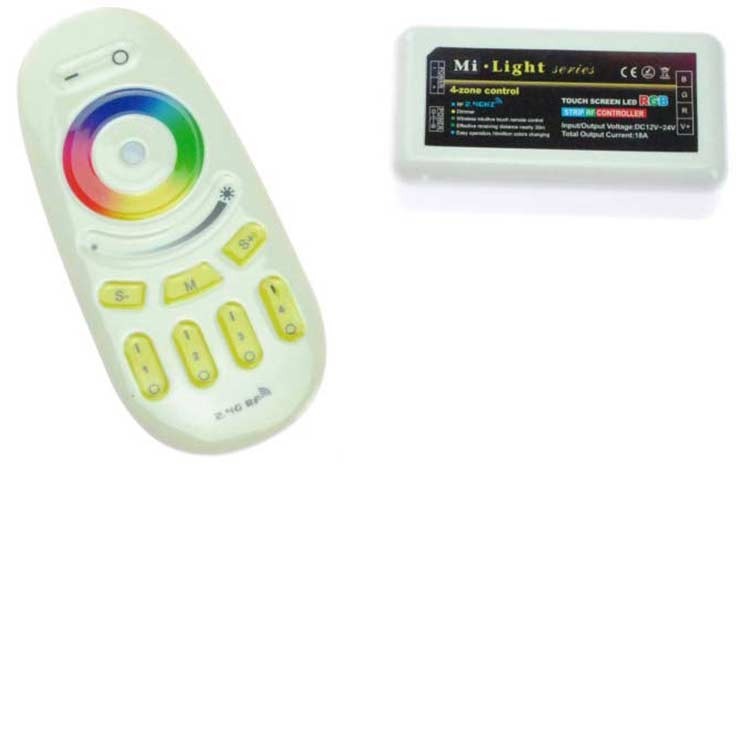
Searching for reliable lighting suppliers in Melbourne? You are at the right place. At World Of Thought, we supply a wide range of LED products to cater to our customer’s needs. If you have a specific requirement, we can help. We offer application-based product recommendations ranging from LED strip lighting to a complete range of LED Light controller options.
We have years of experience in supplying customised lighting solutions in Melbourne. We work with our clients closely in order to determine their lighting needs and design compatible solutions.
We believe that LEDs have transformed the world with their full-range capabilities and an array of user benefits. From project planning to installation, we assist our clients in creating energy-efficient and safe work environments. We combine our product knowledge and expertise to deliver 100% satisfactory results.
Why Choose Us As Your Lighting Suppliers In Melbourne?
If you are searching for lighting suppliers in Melbourne, let World Of Thought help you. We strive to provide a vast range of compact, durable and long-lasting LED lights equipped with precision optics.
We provide high-quality LEDs at competitive prices. We provide our clients with safe and long-lasting lighting solutions compatible with both indoor and outdoor settings. We are happy to bring our expert selection of lighting in Melbourne. They are built to last and cater to almost all types of aesthetics so that you can get the desirable results.
Not sure which lighting product in Melbourne is right for your space, we can help. For further information or advice on our customised fitting options, get in touch with us today.
both architectural and commercial
applications with a comprehensive
range of reliable components and technical support.
LED LIGHTING
Product Range »
Our Projects
FAQs
LED lighting is a type of lighting that uses LEDs (light-emitting diodes). LEDs emit less heat than other types of lighting, saving energy and money. They are also more environmentally friendly than different types of lighting because they do not contain mercury.
LED lights are the next generation of lighting because they are more energy efficient, durable, and affordable.
Compared to traditional light sources, LED lights are energy-efficient. They use less energy and produce less heat, reducing the energy needed to operate a facility. In addition, LED lighting is more durable and lasts longer than traditional light sources.
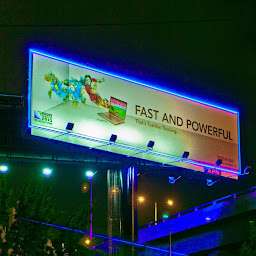
LED lights can be used in streetlights, advertising displays, signs, billboards and lighting fixtures. Get in touch with World of Thought – the best lighting suppliers – today!
LED lights’ lifespan varies depending on the type and brand of LED light, but on average, they can last up to 50,000 hours.